
Classic French Toast with Maple Syrup
These partnerships help support our content and keep our recipes free for our amazing readers. We only recommend products and brands we personally use and trust in our own kitchen. Thank you for supporting us! 💛
🍁 Wake Up to the Perfect Classic French Toast with Maple Syrup
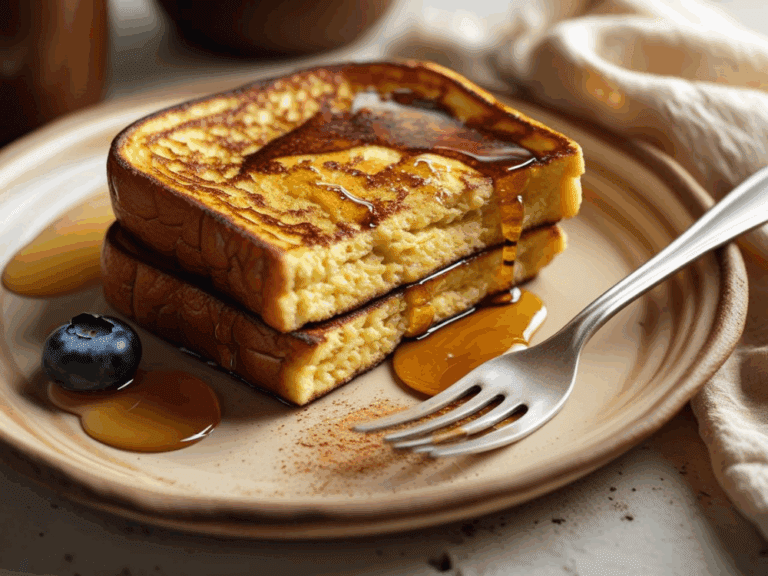
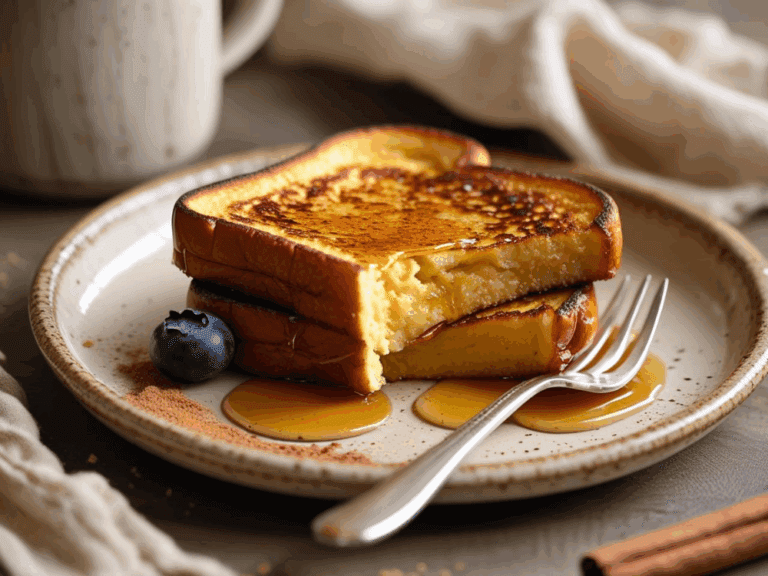
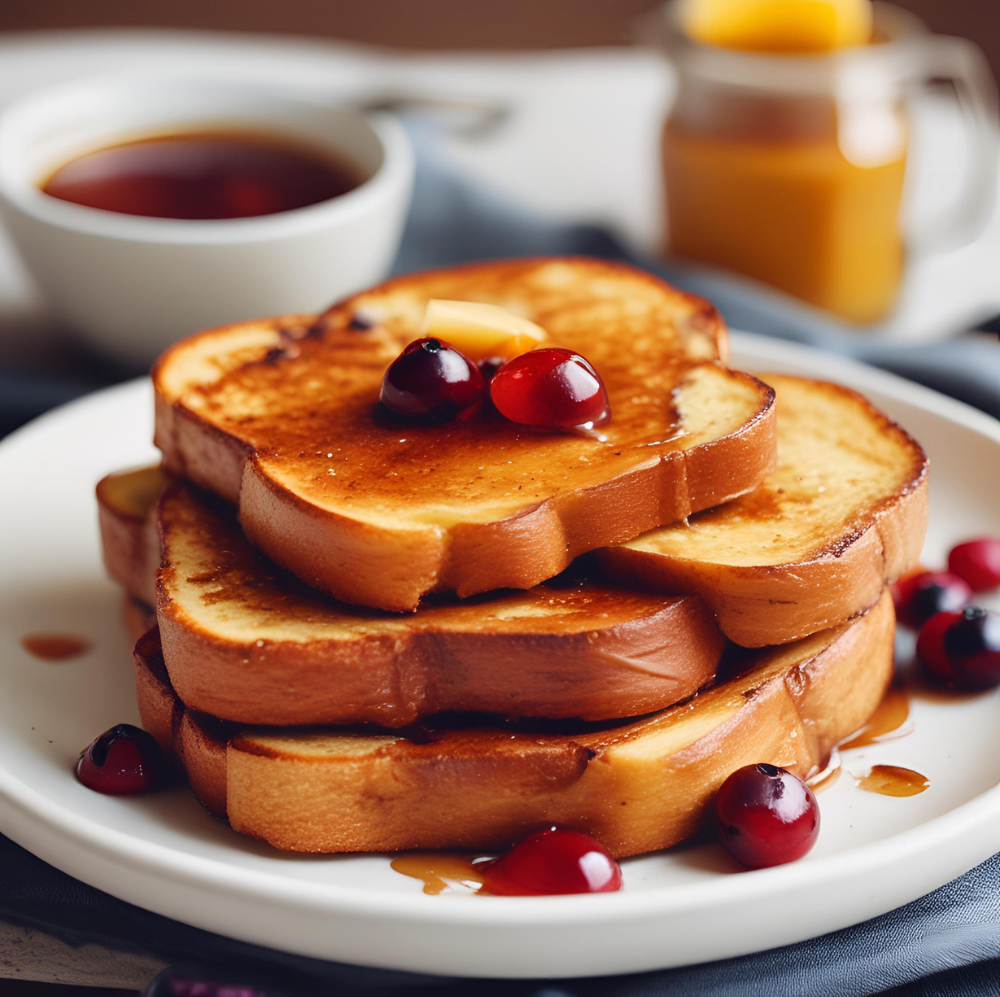
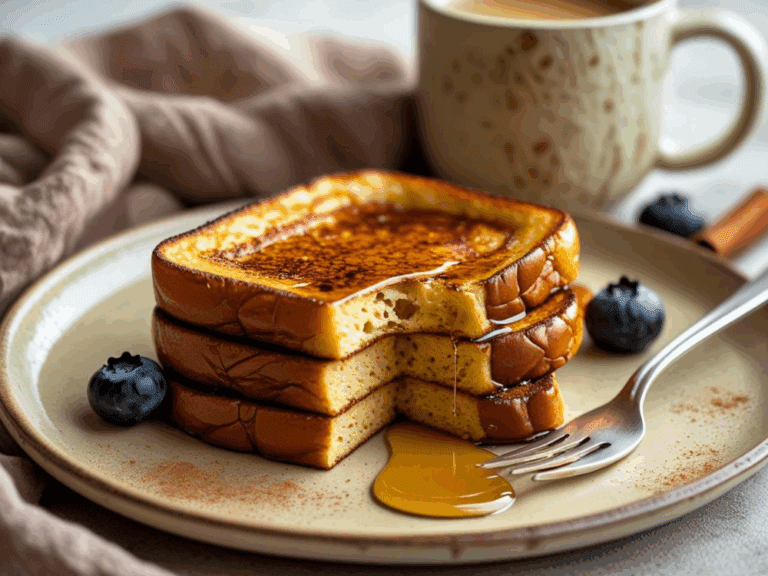
There’s something timeless about French toast — that golden, crispy edge giving way to a soft, custardy center, all drizzled with warm maple syrup and a sprinkle of cinnamon. It’s the kind of breakfast that makes any morning feel special, whether it’s a slow Sunday with coffee in hand or a quick treat to brighten your weekday routine. And the best part? This version is made with clean, wholesome ingredients you likely already have in your kitchen.
In this recipe, we’re keeping all the comfort of the classic you love, but with simple swaps that align with a clean eating lifestyle — think sprouted bread, almond milk, and real maple syrup. Ready in just 15 minutes, it’s an effortless upgrade to your breakfast game that’s family-friendly, freezer-friendly, and totally customizable. Let’s make breakfast something to look forward to again! 🧡
🔥 What’s the Secret to Making the Best French Toast Ever?
If you’re asking, “How do I make the best French toast?” — you’re not alone. This is one of the most searched questions on Google when it comes to breakfast recipes, and for good reason. French toast seems simple — bread, eggs, milk, cook — but there’s a big difference between basic and next-level delicious. Here’s how to get it just right every single time 😍👇
🥖 1. Choose the Right Bread (It’s More Important Than You Think)
The best French toast starts with the best base: the bread. You want slices that are thick, sturdy, and slightly stale. Why? Because soft, fresh bread soaks up too much custard and turns soggy. Dry bread, on the other hand, holds its shape and texture.
Top Bread Picks for the Best French Toast:
Brioche – rich, buttery, and slightly sweet
Challah – tender, eggy texture that soaks beautifully
Sourdough – slightly tangy and sturdy (great for a clean twist)
Sprouted Grain Bread – high in fiber, clean eating approved 🙌
✨ Pro Tip: Let your bread sit out overnight or toast it lightly to dry it out before dipping.
🥚 2. Mix the Ultimate Custard Base (The Golden Ratio)
This is where the magic happens. A rich, well-balanced custard gives your French toast that soft interior and golden crust. Here’s our go-to clean-eating friendly custard formula:
2 large eggs
½ cup unsweetened almond or oat milk
1 tsp pure vanilla extract
¼ tsp cinnamon (or pumpkin pie spice in fall)
Optional: 1–2 tsp maple syrup or coconut sugar for a hint of sweetness
Whisk until smooth — lumps of egg white will cook unevenly and leave streaks. If you want that silky, café-style finish, you can even blend it for 15 seconds!
🌟 Want that golden café glow? Add a pinch of turmeric to the batter for color without flavor.
🔥 3. Use the Right Cooking Temperature (No Rushing Allowed)
High heat will burn the outside while leaving the inside soggy. Low heat will dry out the toast. So what’s the sweet spot?
Medium-low heat is your best friend.
Preheat a non-stick skillet or griddle over medium-low for 2–3 minutes.
Lightly grease it with ghee, avocado oil spray, or coconut oil for a clean sear.
Cook each side for 2–3 minutes, flipping once the edges are golden and crispy.
💡 Final Touches That Make It Truly the Best
Don’t crowd the pan – give each slice space to crisp up
Dust with cinnamon or powdered monk fruit right after cooking
Top with warm maple syrup (never cold!) for a luxurious drizzle
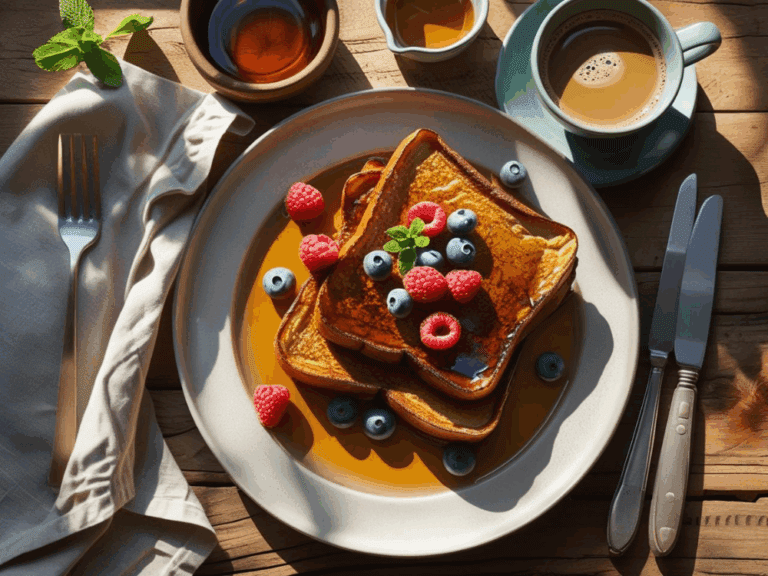
Garnish with berries or banana slices to balance the richness
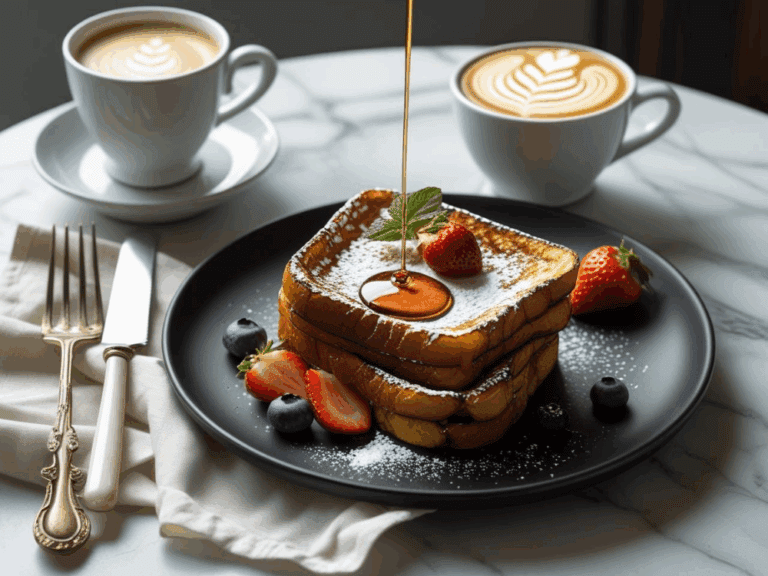
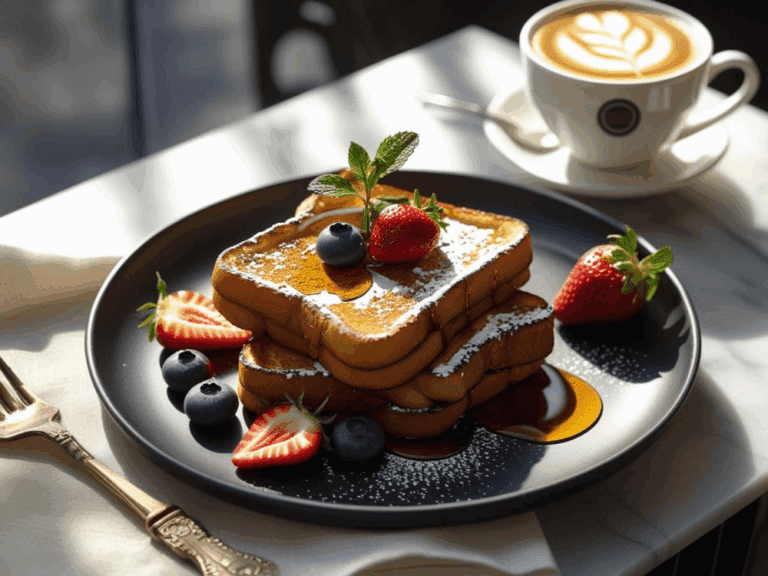
📸 Want to impress on Instagram or Pinterest? Stack 3 slices, add a syrup drizzle shot, and top with powdered sugar & mint — instant brunch goals ✨
❤️ Why This Recipe Wins Hearts (And Google)
This method doesn’t just give you a French toast that’s good — it gives you one that feels indulgent, nostalgic, comforting, and easy, all in one.
Whether you’re meal-prepping for the week or treating guests to brunch, this is the French toast they’ll remember.
✅ Clean Eating Friendly
✅ Kid-Approved
✅ Customizable & Consistent
✅ Cooked to Golden Perfection
How Do You Keep French Toast from Getting Soggy? (Top Fixes That Actually Work!)
Soggy French toast is one of the biggest breakfast letdowns 😩 You dip your bread, you fry it up, and then boom — it’s limp, mushy, and falling apart on your plate. So how do you make crispy, golden, never-soggy French toast every time?
The secret lies in the right technique, the right bread, and a little patience. Here’s how to fix soggy French toast for good — even on your busiest morning.
🥖 1. Use Stale or Toasted Bread (Fresh Bread = Fail)
Fresh, fluffy sandwich bread is too soft and absorbent. The custard soaks in like a sponge, and the bread breaks down before it hits the pan. Instead, go for:
Stale bread that’s at least 1 day old
Bread that’s been lightly toasted in the oven or toaster
Thick slices (¾” to 1″) like sourdough, brioche, or sprouted grain
Bonus: Dry bread also holds its shape better in the pan, so you get a nice golden crust and tender interior — not a soggy mess.
🥚 2. Don’t Oversoak Your Bread
Here’s the mistake most people make: letting the bread sit in the egg mixture for too long.
When it soaks too long, it gets waterlogged — and no amount of cooking can save it.
How long should you soak it?
⏱️ About 15–20 seconds per side for thick-cut bread. You want it saturated but not soggy.
Tip: Use a shallow dish (like a pie plate) so you can flip the slices quickly and evenly.
🛍️ Our favorite no-spill dipping dish is right here — makes prep super fast and mess-free!
🔥 3. Use Medium-Low Heat (Don’t Rush It!)
High heat will burn the outside while the inside stays raw and wet. Low heat without enough time won’t crisp anything. Instead, go for medium-low and let the magic happen slowly.
Preheat your skillet or griddle
Add a little ghee, avocado oil, or coconut oil
Cook each side for 2–3 minutes until golden and firm
Let the toast sit for 30 seconds before moving or flipping — this helps the crust form
🛒 The non-toxic skillet we swear by is linked here — even heat, easy clean-up, no sticking!
💡 4. Rest Before Serving
This step is so underrated: after cooking, let your French toast rest on a wire rack (not a plate) for a minute.
Why? It allows excess steam to escape and keeps your toast crispy instead of soggy on the bottom.
Skip this step and you’ll have limp toast within minutes — especially if you’re serving a crowd.
📦 Want to prep a big batch? Keep cooked slices on a baking rack in a warm oven (200°F) until ready to serve — crisp and hot, just like a restaurant.
🌿 Clean Eating Extras: Keep It Crisp, Keep It Clean
If you’re following a clean eating lifestyle and want crispy, satisfying results:
Use unsweetened almond or oat milk instead of dairy
Add a pinch of coconut sugar or cinnamon to the custard for depth
Avoid overloading with syrup — try fresh fruit, nut butter, or coconut yogurt on top
Store leftovers in a glass container with parchment paper between slices to avoid moisture buildup
💬 The Bottom Line: No More Soggy French Toast
To keep your French toast from getting soggy:
Use thick, dry bread
Soak it briefly and evenly
Cook low and slow
Rest on a rack, not a plate
Store and reheat the smart way
When you follow these simple techniques, you’ll end up with crispy edges, fluffy centers, and golden perfection — no more breakfast flops, ever 💪
Try some of our other recipes!
🥥 Can You Make French Toast Without Milk or Dairy? (Yes — And It’s Delicious!)
If you’ve been wondering, “Can I make French toast without milk?” or you’re trying to avoid dairy for dietary or clean eating reasons, the answer is a resounding YES! 🙌 In fact, dairy-free French toast can be just as rich, golden, and satisfying as the traditional version — if not better.
Whether you’re lactose-intolerant, plant-based, or simply prefer cleaner ingredients, you don’t need cow’s milk or butter to enjoy this breakfast favorite. Let’s break it down step-by-step so you can make the perfect dairy-free French toast — no compromise on flavor or texture.
🥛 1. Best Milk Alternatives for French Toast (No Dairy Needed)
The custard base is traditionally made with milk, but the right non-dairy milk can elevate the flavor and improve the texture. You want something that’s:
Creamy enough to cling to the bread
Neutral or lightly sweet in flavor
Unsweetened (so you control the sugar)
Here are the best dairy-free milks for French toast:
Oat milk – super creamy, slightly sweet, and perfect for a golden crust
Almond milk – light and nutty, great for clean eating and fewer calories
Coconut milk (carton) – rich and tropical, adds natural sweetness
Soy milk – high in protein and thick in texture
🧈 2. What to Use Instead of Butter for Cooking
No butter? No problem! You can still get that crispy, caramelized exterior with healthier, dairy-free fats. Here are our go-tos:
Coconut oil – adds a light sweetness and browns beautifully
Avocado oil spray – clean, neutral, and non-stick
Ghee – technically dairy-derived but lactose-free and paleo-approved
Extra virgin olive oil – for a savory twist or clean Mediterranean vibe
✨ For best results, apply a light coating — just enough to crisp the edges without making the toast greasy.
🍞 3. Does the Texture Change Without Dairy?
Nope! If anything, it gets better. Non-dairy milk often creates a lighter custard with a subtle flavor that lets the spices and toppings shine. The result is a French toast that’s:
Still soft on the inside
Crisp on the edges
Easier to digest for many people
A better fit for vegan, paleo, or clean eating plans
💡 Bonus Tip: Add a tablespoon of nut butter (like almond or cashew) into your egg mixture for extra richness without any cream.
💬 Reader Favorite: Coconut Milk French Toast
This variation is a total hit with our readers — and it’s dairy-free, naturally sweetened, and incredibly satisfying.
To make it:
Whisk together eggs, canned light coconut milk, cinnamon, vanilla, and a tiny splash of maple syrup. Dip thick bread slices, pan-fry in coconut oil, and top with banana slices + toasted coconut. It’s like a mini vacation in every bite! 🏝️
✅ Final Checklist: Dairy-Free French Toast Must-Haves
Here’s what to use to keep it creamy, clean, and delicious:
✅ Oat or almond milk for the custard
✅ Coconut oil or avocado spray for cooking
✅ Sturdy bread like sourdough or sprouted grain
✅ Flavor boosters like vanilla, cinnamon, and maple syrup
✅ Fresh toppings like fruit, seeds, and plant-based yogurt
No dairy, no problem — just clean, crave-worthy French toast made with intention and joy 💖
🍞 What’s the Best Bread for French Toast That Doesn’t Fall Apart?
If you’ve ever tried to make French toast with sandwich bread and ended up with a mushy mess, you’re not alone. One of the most common questions home cooks ask is:
“What kind of bread should I use for French toast that won’t fall apart?”
The truth is, the bread you choose makes or breaks your French toast. Literally. The wrong bread will tear, soak up too much custard, or disintegrate in the pan. The right bread? It will hold its shape, soak in just enough flavor, and crisp up perfectly on the griddle.
Here’s your complete guide to choosing the best bread for French toast — whether you’re going classic, clean, or gluten-free!
🥖 1. What Makes a Bread “French Toast-Worthy”?
The best bread for French toast should have:
Density – to hold the custard without falling apart
Structure – tight crumbs or thicker slices work best
Absorbency – should soak custard without becoming soggy
Mild flavor – so it complements (not competes with) toppings
Avoid thin, fluffy sandwich bread, especially if it’s fresh — it will tear and get soggy fast. Look for breads that are thick-sliced, slightly dry, and hearty.
🌟 Best Breads for Classic French Toast
Here are the all-time top contenders for classic-style French toast:
🍞 Brioche
Soft, buttery, and slightly sweet — a French classic for a reason! Brioche absorbs custard well and gives that rich café-style finish.
🍞 Challah
This egg-based Jewish bread has a tender crumb and gorgeous golden crust. It soaks up custard like a dream and adds subtle flavor.
🍞 Sourdough
A tangy twist on the classic. Sourdough is firm, crusty, and never falls apart — plus, it’s often easier to digest thanks to fermentation.
🍞 Texas Toast
Thick, square slices with a neutral flavor make Texas toast a reliable pick — just check the ingredients if you’re going for clean eating.
🛒 Need help picking the right loaf? We linked our favorite clean-eating and bakery-quality breads right here.
🌱 Clean Eating Breads That Hold Up Beautifully
If you’re living that clean-eating life, skip the enriched white flour and go for options that are nutrient-dense, minimally processed, and still strong enough for soaking:
🌾 Sprouted Grain Bread (like Ezekiel)
High in fiber, low in sugar, and sturdy — this is a powerhouse pick for clean eaters. Bonus: It’s often freezer-friendly and naturally low glycemic.
🍞 Whole Grain Sourdough
All the strength of traditional sourdough, but with added whole grains and clean ingredients. It’s gut-friendly and full of flavor.
🌰 Seeded Bread
Hearty and textured with flax, chia, or sunflower seeds — just make sure the slices are thick enough to stay intact.
🛍️ Curious about our go-to clean bread brands? We’ve curated a list of the best options here for every budget and diet — including gluten-free favorites!
💬 What If I Want Gluten-Free French Toast?
You can still enjoy amazing French toast with gluten-free bread — the trick is to choose a brand that’s thick-sliced and naturally dense, not crumbly.
✅ Look for:
Almond flour or oat-based loaves
Thick slices (or cut your own from a GF boule)
Breads that are lightly toasted before soaking
🥄 Pro Tip: Toast gluten-free bread in the oven at 275°F for 5–10 minutes before dipping — it firms up beautifully and resists sogginess.
✅ Final Tips: How to Prep Your Bread for Success
No matter which bread you choose, how you prep it is just as important:
Let bread dry out for a few hours or overnight
Lightly toast it if using fresh bread
Cut slices ¾”–1” thick for optimal texture
Avoid crustless breads — the crust adds structure and flavor
🛒 Want perfect slices every time? This bread slicer guide makes clean cuts easy, even with soft loaves.
🧡 The Bottom Line
If you want French toast that’s:
Golden and crisp on the outside
Soft and fluffy on the inside
Never soggy, never broken…
…then your best bread options are:
Brioche, Challah, Sourdough, or Sprouted Grain.
Each one gives you a different flavor and texture, but all will make your breakfast next-level memorable.
🧊 Can You Make French Toast in Advance or Meal Prep It? (Yes — and Here’s Exactly How)
Whether you’re meal-prepping for busy mornings or hosting brunch for a crowd, the question comes up all the time:
“Can I make French toast ahead of time?”
The answer is a big YES 🙌 — French toast is surprisingly easy to prep in advance, freeze, and reheat while still keeping its crispy edges and soft interior.
In fact, meal prepping French toast not only saves time, but it also helps reduce food waste (hello, leftover bread!) and makes clean eating more convenient during the week.
Here’s everything you need to know to store, freeze, reheat, and enjoy French toast like a pro — without sacrificing flavor or texture.
🥞 Make-Ahead French Toast: The Basics
To prep your French toast in advance:
Cook it as normal, letting it get golden and slightly crisp on both sides.
Let it cool completely (this prevents condensation).
Place in a single layer on a parchment-lined tray to freeze for 1 hour.
Once frozen, transfer slices to a reusable storage bag or glass meal prep container.
🛍️ Looking for sustainable, freezer-safe storage? These stackable glass containers are our go-to — they keep toast crisp and freezer burn-free!
🔥 How to Reheat French Toast (And Keep It Crispy!)
Reheating is where the magic happens — skip the microwave for best results and go with one of these crisp-friendly methods:
✨ Air Fryer Method (Best for Crisp Edges!)
Preheat to 375°F
Cook slices for 3–4 minutes, flipping halfway
Perfect for small batches or single servings
🍽️ Oven or Toaster Oven Method
Preheat to 350°F
Place slices on a wire rack over a baking sheet
Heat for 6–8 minutes or until warmed through and crispy
✅ Bonus: This is the best method if you’re reheating a whole batch for guests!
⚡ Microwave Method (Quickest, Least Crispy)
Wrap one slice in a paper towel
Microwave for 30–45 seconds
Works in a pinch but won’t crisp the edges
📆 How Long Does French Toast Last in the Fridge or Freezer?
Fridge: Up to 4 days in an airtight container
Freezer: Up to 2 months if stored properly
Always let toast cool completely before storing to avoid moisture buildup
💡 Label your containers with the date so nothing gets lost in the freezer — and stack with parchment between slices to avoid sticking.
🧃 Meal Prep Tip: Add Custom Toppings Later
To keep your French toast versatile, store it plain and add toppings fresh each morning. This way, you can switch things up without getting bored!
Try:
Banana & almond butter
Greek yogurt & berries
Apple slices & cinnamon
Toasted pecans & maple drizzle
Coconut cream & cacao nibs
🌿 Clean Eating Bonus: French Toast Sticks for Kids or Snacks
Cut your French toast slices into “sticks” before freezing — this makes it easier for kids to grab-n-dip, and they’re perfect for portion-controlled snacks.
You can reheat the sticks in the air fryer in just 2 minutes — then pair with fruit dip, yogurt, or a little clean maple syrup on the side.
🧁 Hosting Brunch? Prep a Big Batch Stress-Free
Prepping French toast in advance is a lifesaver for holidays, baby showers, or weekend brunch. Just reheat slices in the oven right before guests arrive, then offer a DIY topping station with:
Chopped fruit
Nuts & seeds
Syrups & sauces
Yogurt, whipped cream, and nut butter
✨ Don’t forget the powdered cinnamon or monk fruit for that final chef’s kiss touch!
✅ Final Thoughts: Why Meal Prepping French Toast Just Makes Sense
✔ Saves time in the morning
✔ Reduces food waste
✔ Encourages clean eating consistency
✔ Makes hosting and serving a breeze
✔ Lets you enjoy a cozy, satisfying breakfast all week long
Whether you’re a busy parent, brunch lover, or clean-eating meal prepper, this make-ahead French toast method will simplify your routine and elevate your mornings — all with a freezer full of golden goodness ready to go 🔥
🌿 Is French Toast Healthy or Clean Eating Approved? (Yes — With These Easy Swaps!)
Let’s be real — French toast can have a bad rep. Traditional versions are often loaded with white bread, processed sugar, and heavy dairy. But here’s the good news:
You can 100% enjoy French toast while sticking to your clean eating lifestyle.
In fact, with a few smart swaps and intentional ingredients, you’ll transform this classic comfort food into a nutrient-dense, blood sugar–friendly breakfast that fuels your day — and tastes just as indulgent.
What Makes French Toast “Clean Eating Friendly”?
Clean eating is all about choosing whole, minimally processed foods and avoiding refined sugar, artificial additives, and overly processed carbs. So to make your French toast clean:
Use whole grain or sprouted bread
Choose plant-based milk or grass-fed dairy
Sweeten with pure maple syrup or fruit
Cook with natural oils like ghee or coconut oil
Flavor with real spices — not imitation extracts
The result? A fiber-rich, naturally sweet, protein-boosted breakfast that supports energy, digestion, and even hormone health.
1. Clean Bread Choices: Go Beyond White Bread
Skip ultra-processed white bread — it spikes blood sugar and offers little nutrition. Instead, choose:
Sprouted grain bread (like Ezekiel) – high fiber, slow-digesting
Sourdough – easier on digestion and low glycemic
Whole grain – hearty and nutrient-dense
Gluten-free seed bread – ideal for gut-sensitive eaters
2. Choose the Right Milk (No Refined Sugar or Fillers)
Traditional dairy milk can be inflammatory for some, especially when not organic or grass-fed. Instead, opt for:
Unsweetened almond milk – light and low calorie
Oat milk – super creamy and naturally sweet
Coconut milk (carton, not canned) – rich and tropical
Organic grass-fed milk – if you’re not dairy-free
Always check the label! Look for milks with just a few ingredients and no gums or artificial sweeteners.
3. Skip Refined Sugar — Use These Natural Sweeteners Instead
No need for powdered sugar or sugary syrups. Try these wholesome alternatives:
100% pure maple syrup – antioxidant-rich and natural
Mashed banana – adds sweetness to the custard
Unsweetened applesauce – bonus fiber & moisture
Coconut sugar – lower glycemic option
Date syrup or purée – nutrient-rich and caramelly
4. Cook It Clean: Use the Right Oils or Butters
You don’t need butter to get crispy, golden French toast. Try these healthier cooking fats:
Ghee – rich, nutty, and lactose-free
Coconut oil – adds light sweetness and browns beautifully
Avocado oil spray – neutral flavor, perfect for non-stick cooking
Avoid margarine or refined seed oils — they’re inflammatory and unnecessary with better options on hand.
5. Add Nutritious Toppings for Bonus Flavor + Benefits
Top your French toast with real food that brings both flavor and function:
Fresh berries – packed with antioxidants
Nut butters – protein & healthy fats
Chia or flax seeds – fiber boost
Coconut yogurt – probiotic-rich & creamy
Toasted nuts – crunch + magnesium power
Mix & match based on your cravings or what’s in season. You can even build a beautiful French Toast Topping Bar for weekend brunch!
The Clean Eating French Toast Formula (Save This!)
Bread + Clean Custard + Natural Oil + Real Toppings = A Breakfast That Loves You Back
This version supports:
Balanced blood sugar
Stable energy
Hormone-friendly fats
Gut health
Zero post-breakfast crash
And with make-ahead options, it’s perfect for meal prep, school mornings, or elevated brunches.
Bonus Tip: Want It Sweeter? Try This!
Instead of dousing your toast in syrup, add flavor to the batter — a splash of vanilla, a pinch of cinnamon, a little orange zest, or mashed banana.
You’ll naturally sweeten each bite from the inside out
Final Thoughts: Yes, French Toast Can Be Healthy
When you use clean, whole ingredients, French toast transforms from a sugar bomb into a nourishing, protein-rich breakfast you can feel proud to serve.
It’s kid-approved, meal prep–friendly, and 100% satisfying — all without refined junk.
🍓 What Toppings Go Well with French Toast? (35+ Irresistible Ideas You’ll Want to Try)
So you’ve mastered the golden, custardy slice of French toast — now what? The real fun starts with the toppings. From indulgent and sweet to fresh and wholesome, your French toast is a blank canvas for flavor, texture, and nutrition.
The right toppings elevate your French toast from “pretty good” to “WOW, can I have seconds?” — and whether you’re eating clean, treating yourself, or feeding picky eaters, there’s a topping combo for you.
Let’s dive into the ultimate list of French toast toppings that go beyond maple syrup — plus fun themes, clean-eating twists, and our must-have tools for serving it up right!
1. Fresh Fruit Toppings (Naturally Sweet + Clean)
Fruit is the perfect way to balance the richness of French toast with freshness and a pop of color.
Top picks:
Sliced strawberries
Blueberries
Raspberries
Banana slices
Sautéed cinnamon apples
Diced mango or pineapple
Pomegranate seeds
Fresh figs or blackberries
Roasted grapes (yes — try it!)
Pro Tip: Lightly warm your fruit in a pan with cinnamon and a splash of lemon juice for a syrupy, antioxidant-rich compote.
Use a ceramic fruit bowl set like this one to keep toppings organized at the table or brunch bar.
2. Wholesome Creamy Toppings (For That Rich Café Feel)
Creamy toppings turn every bite into a cozy, custardy dream — especially when they’re made with clean, dairy-free ingredients.
Try:
Whipped coconut cream
Greek yogurt (plain or vanilla)
Plant-based yogurt with fruit
Cashew or almond cream
Ricotta or cottage cheese (clean or organic versions)
3. Clean Syrups & Natural Sweeteners (Skip the Refined Sugar)
Skip the processed pancake syrup and go for real, nutrient-rich sweeteners that don’t spike your blood sugar as fast.
Favorites:
100% pure maple syrup
Honey (raw or manuka)
Coconut nectar
Date syrup
Mashed banana or applesauce
Homemade fruit puree or chia jam
Monk fruit or stevia syrup (for low-sugar options)
Warm your syrup slightly before pouring to make every bite extra luxurious.
Our all-time favorite clean syrup brands are linked here — tested, trusted, and pantry must-haves.
4. Nut Butters, Seeds & Crunch (Protein + Texture Power-Ups)
Add richness and nutrition with these high-protein, crunchy toppers:
Almond butter or cashew butter
Peanut butter (clean-label only!)
Chopped walnuts, pecans, or pistachios
Sunflower seeds or pumpkin seeds
Chia seeds or ground flax
Toasted coconut flakes
Granola (low-sugar or homemade)
These additions are great for kids, athletes, and anyone who wants to stay full until lunch.
Looking to upgrade your pantry? We curated the best clean nut butters and seed toppers here.
5. Dessert-Inspired Additions (For Brunch or Treat Days)
Want to go all out? These toppings make your French toast feel like dessert — without the guilt (or with just enough to be fun ).
Dark chocolate shavings
Cacao nibs
Clean chocolate hazelnut spread
Vegan caramel drizzle
Cinnamon sugar dusting
Crushed graham crackers or biscotti
Coconut whipped cream with a pinch of sea salt
Try these combos for birthday breakfasts or holiday brunches — they’re unforgettable!
Build Your Own French Toast Topping Bar (Crowd Favorite!)
Hosting brunch or feeding a family with different tastes? Set up a DIY French Toast Topping Bar with:
2–3 fruit options
2 creamy bases (yogurt, coconut cream)
2–3 crunchy add-ins
1–2 sweet drizzles or sauces
Warm French toast on a platter
Labels, spoons, and small bowls for a clean layout
Want the perfect brunch setup? We found the best serving trays, label kits, and syrup pitchers here — it’s a vibe.
Clean Eating Topping Combos We Love:
Blueberries + Greek yogurt + chia seeds
Strawberries + almond butter + maple drizzle
Banana slices + cacao nibs + coconut flakes
Sautéed apples + cinnamon + pecans
Raspberries + cashew cream + granola
Why Toppings Matter (And How They Boost Nutrition)
Toppings aren’t just for looks — they add:
Fiber to keep you full
Healthy fats for brain & hormone support
Natural sweetness without added sugar
Colorful antioxidants to reduce inflammation
Protein to balance carbs and sustain energy
French toast becomes a complete meal when you add intention to your toppings — and it looks way more Instagram-worthy too
Final Thoughts: Dress It Up, Keep It Clean, Make It Yours
The beauty of French toast is that it’s a blank canvas. Whether you’re going for clean and energizing or sweet and cozy, your toppings can transform it into a new experience every time.
So next time you whip up your favorite batch, get creative — mix, match, drizzle, sprinkle, and stack your way to the perfect plate
🥚 Can You Make French Toast Without Eggs? (Absolutely — Here’s How!)
Whether you’re following a plant-based diet, managing an egg allergy, or simply ran out of eggs and still want a cozy breakfast, you’re probably asking:
“Can I make French toast without eggs?”
And the answer is: Yes, yes, yes!
You can make French toast without eggs and still enjoy all the crispy edges, custardy centers, and rich flavor you love — as long as you know how to create the right texture using simple, wholesome ingredients.
Let’s explore the best egg-free swaps, clean eating tips, and a few bonus tricks to help you make vegan or eggless French toast that’s satisfying, foolproof, and absolutely crave-worthy.
💡 Why Eggs Are Traditionally Used in French Toast
In classic recipes, eggs serve a few important roles:
They bind the custard to the bread
They add richness and protein
They create that slightly crisp, golden crust
When making French toast without eggs, the goal is to mimic these effects using other natural ingredients — and honestly, there are lots of ways to do it beautifully.
🌿 Best Egg Substitutes for French Toast (Tried & Tested)
Here are the top plant-based options that work like a charm in French toast:
1. Ground Flaxseed (Flax “Egg”)
Mix 1 tablespoon ground flaxseed with 3 tablespoons water. Let it sit for 5 minutes until it gels. Adds fiber and omega-3s.
Great for: Clean eating, high-fiber diets
Flavor: Slightly nutty
Texture: Custardy and crisp when cooked
🛍️ We love this organic ground flaxseed linked here — shelf-stable, budget-friendly, and perfect for baking too.
2. Chia Seeds
Similar to flax, use 1 tablespoon chia + 3 tablespoons water. Let it soak to form a gel. Creates a heartier texture and adds plant protein.
Great for: Vegan, gluten-free, or paleo-friendly versions
Flavor: Neutral
Texture: Slightly chewy with crisped edges
💡 Tip: Blend the chia seed mixture first for a smoother texture in your batter.
3. Mashed Banana or Unsweetened Applesauce
Use ¼ cup mashed banana or applesauce per “egg.” Adds moisture, natural sweetness, and mild flavor.
Great for: Kid-friendly recipes, sweet breakfast lovers
Flavor: Slight banana/apple note (delicious!)
Texture: Soft and fluffy
🛒 Our clean, no-sugar-added applesauce picks are linked here — no additives, just fruit.
4. Silken Tofu or Plant-Based Yogurt
Blend ¼ cup silken tofu or yogurt until smooth and mix into the batter. Adds creaminess and acts as a binder.
Great for: High-protein or dairy-free options
Flavor: Very neutral
Texture: Rich, custard-like
🛍️ Check out the best clean, plant-based yogurts here for this method — dairy-free and probiotic-rich!
🥛 Build the Perfect Eggless Custard
Here’s a base formula that works great without eggs:
½ cup unsweetened almond or oat milk
1 tbsp flaxseed meal or chia gel
1 tsp cinnamon
1 tsp vanilla extract
Optional: 1 tsp maple syrup or coconut sugar for sweetness
Pinch of salt
Whisk well and dip your bread just like you would in the classic version!
💡 Want a smoother texture? Blend the custard in a blender before dipping.
🍞 Bread Tips for Egg-Free French Toast
Without eggs, your bread needs to be:
Thick – at least ¾ inch
Sturdy – use sourdough, sprouted grain, or day-old brioche
Dry – toast lightly if it’s too soft or fresh
Avoid thin, airy bread — it won’t soak evenly and may break apart.
🛒 Need a gluten-free or egg-free bread option? We linked our faves here for eggless French toast success.
🔥 Cooking Tips to Get the Perfect Crisp
Preheat your pan well
Use coconut oil, ghee, or avocado spray
Cook on medium heat
Let each slice sit undisturbed for 2–3 minutes per side for the best crust
Don’t flip too early — the eggless batter needs a moment to firm up
🛍️ We use this non-toxic ceramic skillet linked here for easy flipping and even heat — essential for egg-free recipes!
🌈 Flavor Upgrades to Boost Your Eggless French Toast
Add these to your batter or sprinkle on top for extra personality:
Pumpkin purée + pumpkin spice (hello, fall mornings!)
Cocoa powder + vanilla for chocolate French toast
Lemon zest + poppy seeds
Maple + almond extract
Cinnamon + cardamom
✨ Want topping ideas too? Check out our full French Toast Topping Guide here.
✅ Final Thoughts: Egg-Free French Toast That Tastes Like a Dream
French toast without eggs is:
✅ 100% doable
✅ Naturally plant-based
✅ Perfect for allergy-friendly or clean eating diets
✅ A great way to add fiber, fruit, and healthy fats to breakfast
✅ Just as delicious as the classic version — with your own creative twist
So go ahead — whip up that eggless French toast with confidence. Whether you’re cooking for a dairy-free kiddo, vegan brunch guests, or just keeping it clean and light, this version hits every mark ✨
⏱️ How Long Should You Soak French Toast Bread? (Avoid the Soggy Trap!)
If you’ve ever bitten into a slice of French toast that was too dry on the inside or too soggy in the middle, you’re not alone. One of the most common mistakes when making French toast is not soaking the bread properly.
So it’s no surprise people ask:
“How long should I soak my bread for French toast?”
The sweet spot? It depends on your bread — but getting this part right is the secret to that perfect texture: custardy in the center, crispy on the edges, and golden brown all over.
Let’s break down the timing, technique, and clean eating tips to help you nail your soak every time 🍞✨
🥖 Why Soaking Matters: It’s Not Just a Dip-and-Go
Soaking your bread in the egg mixture isn’t just about coating the outside — it’s about letting the custard penetrate the inside of the bread so every bite is moist, flavorful, and cooked through.
Too short = dry, boring bites
Too long = soggy, collapsing slices
Just right = perfectly tender, never mushy, with a golden crisp crust
🕒 The Golden Rule: 15–30 Seconds Per Side
For most breads, the ideal soaking time is:
⏱️ 15 to 30 seconds per side
This gives enough time for the custard to absorb without oversaturating the bread. The thicker and drier the bread, the longer it can soak.
🍞 Soaking Time by Bread Type
Let’s get specific based on your choice of bread:
• Brioche or Challah (Soft, rich breads)
➡️ Soak for 10–15 seconds per side
These breads are already tender, so they don’t need much time. Any longer and they’ll fall apart!
• Sourdough or Artisan Bread (Sturdy texture)
➡️ Soak for 20–30 seconds per side
These thicker breads absorb beautifully and can handle more moisture.
• Sprouted Grain or Whole Wheat Bread
➡️ Soak for 15–20 seconds per side
These are more fibrous, so let them soak a bit longer, but keep an eye out — they can still get mushy if left too long.
• Gluten-Free Bread
➡️ Soak for 10–15 seconds per side, max
GF breads tend to be more fragile. Lightly toast them beforehand for best results and a better structure.
🛍️ Tools That Help You Soak Like a Pro
To soak bread evenly and mess-free, we recommend:
✅ A shallow dish or pie pan – wide enough to dip without breaking the slices
✅ A slotted spatula or tongs – to lift without tearing
✅ A cooling rack to rest soaked bread before frying (prevents leaks & pooling)
🛒 We found the perfect French toast soaking set here — includes everything you need for perfect prep without the mess!
🧑🍳 Soaking Technique: How to Soak Like a Chef
Place 1 slice at a time into your custard mixture
Let it sit 15–30 seconds, then gently flip with a spatula
Soak the second side evenly
Lift and let excess drip off — don’t plop it directly into the pan
Optionally, rest on a cooling rack while the skillet heats for better crisping
💡 If making a large batch, soak a few slices at a time and stagger your cooking to keep things moving.
⚖️ Signs You’ve Soaked It Just Right
✅ The bread feels slightly soft but holds its shape
✅ No parts of the slice look dry
✅ It drips slowly (not soaking wet) when lifted
✅ It sizzles and holds form when added to the skillet
Too floppy and tearing apart? Over-soaked.
Still firm and dry in the center? Not enough soak time.
💚 Clean Eating Bonus: Add Soak-Boosters for More Flavor
Since you’re soaking anyway, it’s a great time to infuse the bread with extra clean flavor. Stir into your custard:
A dash of cinnamon or pumpkin spice
A splash of vanilla or almond extract
A pinch of sea salt for contrast
A spoonful of maple syrup or mashed banana
✨ Try this Clean Custard Combo:
½ cup oat milk + 1 tbsp flaxseed meal + 1 tsp cinnamon + 1 tsp vanilla + 1 tsp maple syrup + pinch of salt
🛍️ Grab our full Clean Custard Ingredient Kit here to simplify your prep every week.
✅ Final Thoughts: Soaking is Everything
French toast isn’t just about the ingredients — it’s about the soak. When you get the timing right, you’ll never go back to soggy or dry slices again.
So remember:
Dry bread is your friend
15–30 seconds per side is your sweet spot
Technique matters as much as time
Master the soak, and you master the recipe 🥇
Lemon Chia Seed Muffins
Chocolate-Dipped Oranges with Sea Salt
Lucky Leprechaun Frozen Yogurt Bark
🔥 What’s the Best Way to Reheat French Toast Without It Getting Rubbery?
So, you made a batch of delicious French toast (yay!) and now you’ve got leftovers. But if you’ve ever tried to reheat them in the microwave and ended up with something rubbery, soggy, or sad, you’re definitely not alone 😬
That’s why one of the most common questions we get is:
“What’s the best way to reheat French toast without ruining the texture?”
Whether you’re meal prepping, making a big brunch ahead of time, or saving a few slices from breakfast, how you reheat French toast makes all the difference between “meh” and just-made delicious.
Here’s a breakdown of the best reheating methods, tools, and tips — including how to keep the outside crisp, the inside fluffy, and the flavor totally intact 👇
🥇 #1: Reheat in the Air Fryer (Best for Crispness + Speed)
The air fryer is hands down the best method for reheating French toast if you want it to taste just like fresh off the skillet. It crisps up the edges without drying out the center and gives that golden, slightly crunchy bite we all love.
How to do it:
Preheat air fryer to 375°F
Place slices in a single layer in the basket (no overlapping!)
Heat for 3–5 minutes, flipping halfway
Serve immediately for best results
✨ Bonus Tip: Lightly brush or spray with avocado oil for an extra crisp finish.
🛍️ No air fryer? We linked our favorite compact, clean-cooking model here — a game-changer for breakfast meal prep!
🥈 #2: Reheat in the Oven or Toaster Oven (Great for Batch Reheating)
This method is ideal if you’re warming up multiple slices at once (like for family brunch or guests).
How to do it:
Preheat oven to 350°F
Place French toast slices on a wire rack over a baking sheet (prevents soggy bottoms!)
Bake for 6–8 minutes, flipping once if needed
Optional: Broil for 1 minute at the end for extra crispiness
💡 Avoid placing slices directly on foil or the baking sheet — they’ll steam instead of crisp.
🛒 Need a good rack? This nonstick oven-safe wire rack is the one we use — perfect for everything from toast to roasted veggies.
🥉 #3: Reheat in a Skillet (Good for One or Two Slices)
If you’ve got time for the stovetop, this method gives you full control and can restore crispiness with a little love.
How to do it:
Heat a nonstick or cast-iron skillet over medium-low heat
Add a small dab of ghee, coconut oil, or avocado oil
Place slices in the pan and heat for 1–2 minutes per side until warmed and crispy
Serve hot with fresh toppings!
✨ This is a great method if you want to add toppings like bananas or berries and warm everything together.
🛍️ Check out our favorite non-toxic nonstick skillet here — easy cleanup, even heat, and zero Teflon.
🚫 The Method to Avoid: Microwave
Yes, we know — it’s fast. But it’s also the fastest way to ruin your lovingly made French toast 😔
Microwaving:
Creates steam → soggy toast
Overheats unevenly → rubbery texture
Dries out the edges → chewy and tough
If you must microwave:
Wrap the slice in a paper towel
Heat on 50% power for 20–30 seconds
Expect soft, not crispy, results
🧡 Microwave only when you’re in a true breakfast emergency — and be prepared for less-than-perfect texture.
🧊 Bonus Tip: Reheating French Toast from Frozen
Did you meal prep and freeze your French toast? Amazing! Here’s how to bring it back to life:
Air Fryer: 375°F for 6–8 minutes (flip halfway)
Oven: 350°F for 10–12 minutes on a rack
Skillet: Cook low and slow with a lid for even heating
Never microwave from frozen — it turns into sponge cake gone wrong 😅
🛒 We use these glass storage containers with parchment between slices for easy grab-and-go reheating.
🥞 Want a Pro-Level Reheat? Try This Combo
Reheat in oven or air fryer
Top with fresh fruit + a drizzle of warm maple syrup
Add a dollop of yogurt, almond butter, or coconut cream
Sprinkle cinnamon or chopped nuts
Serve on a warm plate for that just-made feel 🔥
This combo keeps your leftovers feeling like a full-on gourmet brunch moment — even on a Tuesday.
✅ Final Thoughts: How to Reheat French Toast Like a Pro
✔️ Best overall: Air fryer (crispy, fast, and consistent)
✔️ Best for big batches: Oven or toaster oven
✔️ Best for texture control: Skillet
✔️ Only if desperate: Microwave 😬
The right reheating method gives your leftovers a second life — so you can meal prep confidently, save money, and serve something that still tastes amazing the next day.
These partnerships help support our content and keep our recipes free for our amazing readers. We only recommend products and brands we personally use and trust in our own kitchen. Thank you for supporting us! 💛
🍴 Must-Have Tools for the Best French Toast (Our Top 5 Essentials!)
Let’s be real — you can make French toast with just a pan and some bread…
But if you want next-level results — crispy edges, perfectly soaked slices, and a stress-free cooking experience — the right tools make all the difference 🙌
Here are the top 5 game-changing kitchen tools that we use and recommend for making French toast faster, easier, and way more delicious:
🥇 1. Nonstick Skillet or Griddle
✅ Why you need it: This is where the magic happens! A nonstick skillet (or a griddle for big batches) ensures even browning, no sticking, and that golden, crispy finish.
💡 A good pan = consistent heat, no oil overload, and zero burnt slices.
Best Rated on Amazon:
👉 Carote Nonstick Skillet – 9.5″ Eco Granite – Over 32,000 5⭐ reviews, non-toxic, and perfect for French toast!
🥈 2. Shallow Soaking Dish
✅ Why you need it: A wide, shallow bowl or pie dish allows your bread to soak evenly without breaking or dripping everywhere. It’s a small detail that makes your prep process smooth and mess-free.
💡 No more uneven soaking or flipping with your fingers — this dish gives you control and consistency.
Best Rated on Amazon:
👉 OXO Good Grips 9″ Glass Pie Plate – Sturdy, deep, and microwave/oven safe with over 14,000 glowing reviews.
🥉 3. Slotted Spatula
✅ Why you need it: A slotted spatula lets excess custard drip off before hitting the pan and gives you firm, no-break flips while cooking.
💡 You’ll never go back to a regular spatula after trying this one — it’s a clean eater’s secret weapon for perfect plating.
Best Rated on Amazon:
👉 DI ORO Silicone Slotted Turner Spatula – Heat resistant up to 600°F, flexible but sturdy, and dishwasher safe!
🧊 4. Cooling Rack (Optional but Powerful)
✅ Why you need it: Resting cooked slices on a rack prevents soggy bottoms, especially when making big batches or reheating.
💡 Want that café-quality texture from top to bottom? This is how you get it.
Best Rated on Amazon:
👉 Checkered Chef Cooling Rack – Oven Safe & Nonstick – Durable, dishwasher-safe, and over 27,000 5⭐ reviews.
🍽️ 5. Meal Prep Containers
✅ Why you need it: If you’re meal prepping, freezing, or saving leftovers, having quality glass containers keeps your toast fresh, crisp, and easy to reheat.
💡 Store your French toast like a pro and keep your clean eating goals on track all week long.
Best Rated on Amazon:
👉 PrepNaturals Glass Meal Prep Containers (Set of 5) – Airtight, oven/microwave safe, and BPA-free with rave reviews!
💬 Why We Recommend These Tools
Each of these tools has been personally tested, reader-approved, and consistently recommended in our kitchen. They:
Save time and cleanup
Give more consistent, beautiful results
Help make your healthy French toast routine feel fun and effortless
Empower beginner cooks to get café-level results at home
✨ When our readers use tools they love, they cook more confidently, waste less, and actually look forward to clean eating breakfasts.
Classic French Toast with Maple Syrup
Equipment
- Mixing Bowl: For whisking the egg mixture.
- Whisk: To combine the eggs, milk, vanilla, and cinnamon.
- Large Skillet or Griddle: For cooking the French toast.
- Spatula: To flip the bread slices while cooking.
- Measuring Cups and Spoons: For accurately measuring ingredients.
- Plate: For holding the soaked bread slices before they go into the skillet.
- Serving Platter: To serve the cooked French toast.
- Small Saucepan (optional): For warming the maple syrup.
Ingredients
- 4 Large eggs
- 1 Cup Whole milk
- 1 Tsp Vanilla extract
- 1/2 Tsp Ground cinnamon
- 8 Slices of day-old bread (brioche, challah, or any thick-cut bread words best
- 2 Tbsp Unsalted butter
- 1/4 Cup Maple syrup, warmed
- A pinch of salt
Instructions
- Prepare the Egg Mixture:In a large mixing bowl, whisk together the eggs, milk, vanilla extract, cinnamon, and a pinch of salt until well combined.
- Soak the Bread:Dip each slice of bread into the egg mixture, ensuring both sides are thoroughly coated. Allow the bread to soak for about 20 seconds per side to absorb the flavors.
- Heat the Skillet:Place a large skillet or griddle over medium heat and add a tablespoon of butter. Let the butter melt and coat the surface evenly.
- Cook the French Toast:Place the soaked bread slices onto the hot skillet. Cook for 2-3 minutes on each side, or until golden brown and slightly crispy. You may need to cook in batches, adding more butter as needed.
- Serve:Transfer the cooked French toast to a serving platter. Drizzle with warmed maple syrup and serve immediately.
🧡 The Comfort of French Toast, Made Better
At the end of the day, French toast isn’t just a recipe — it’s a memory in the making. Whether you’re whisking eggs on a quiet Sunday morning, surprising your family with breakfast in bed, or meal-prepping a batch to fuel your week, this dish offers a moment of warmth, love, and simple joy.
With clean ingredients, just the right tools, and a few intentional swaps, your French toast can be as nourishing as it is nostalgic. And that’s exactly what we believe in here at Satisfy Your Cravings — meals that make you feel good inside and out 🥰
So next time you reach for that loaf of bread, know that you’re not just making breakfast —
You’re making comfort food with purpose.
🍽️ We’d love to see your creations!
Tag us @SatisfyYourCravings24 on Instagram or share your favorite toppings in the comments below — your delicious ideas inspire this whole community.
📬 And don’t forget — if this recipe warmed your heart (and your kitchen), join our email family below for even more clean, crave-worthy recipes delivered fresh every week.
🥞 Keep cooking with heart — and we’ll keep sharing recipes worth savoring 💫
Join Now!
❤️ Love this recipe? Don’t miss out on even more delicious, healthy, and easy-to-make recipes like this Classic French Toast with Maple Syrup!
🍽️ By joining our email community, you’ll gain exclusive access to bonus content, printable recipes, and clean eating tips that make healthy living a breeze.
📬 Enter your email & click below to subscribe — it only takes a minute to join our growing community of food lovers who believe healthy should still taste amazing!